
Introduction
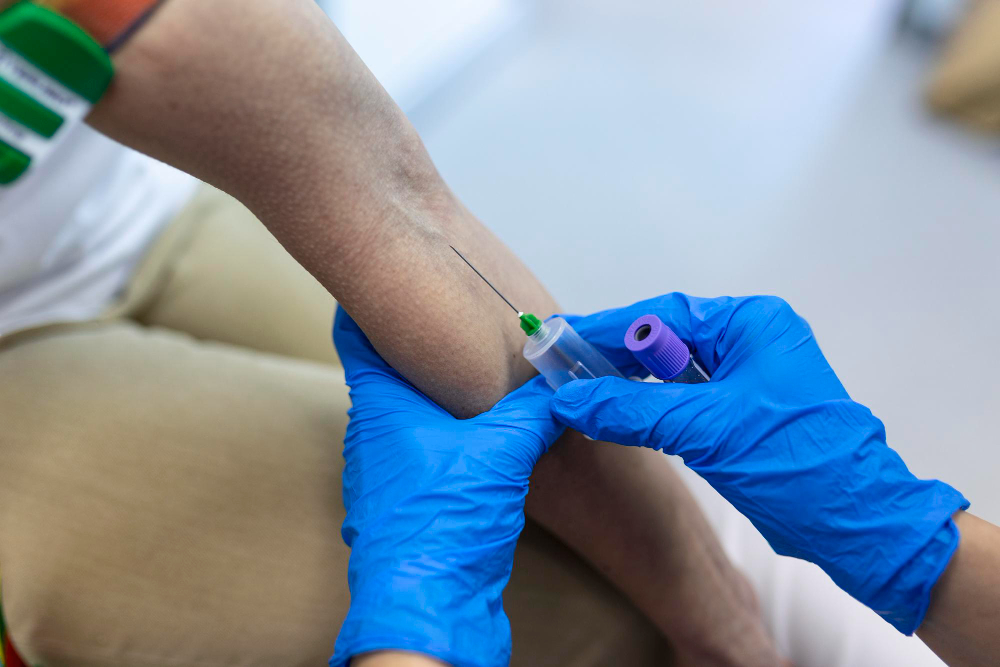
Home blood sample collection is becoming more common today. Many people now collect blood samples at home for lab tests. This method offers comfort and saves time. With the right tips, home blood sample collection can be safe and simple. In this blog, you will learn important home blood sample collection tips for best results.
Why Home Blood Sample Collection?
Many people choose home blood collection for several reasons. First, it is convenient. You do not need to travel to a clinic. Second, it saves time and reduces waiting. Third, it is helpful for people with limited mobility. Also, during times like the COVID-19 pandemic, it lowers the risk of infection. However, home blood collection is best for routine tests or when advised by a doctor. For complex tests, clinic visits may still be needed.
Essential Preparation Tips
Before you collect a blood sample at home, preparation is key. Good preparation helps you avoid mistakes and keeps you safe. Here are some tips to follow:
Step-by-Step Guide to Collecting a Blood Sample at Home
Collecting a blood sample at home can be easy if you follow these steps:
Always follow the instructions given with your test kit or by your healthcare provider.
Common Mistakes to Avoid
Even though home blood collection is simple, mistakes can happen. To get accurate results, avoid these common errors:
By avoiding these mistakes, you help ensure safe blood collection at home.
Safety and Hygiene Best Practices
Safety and hygiene are very important during home blood sample collection. Here are some best practices:
Following these steps helps prevent infection and keeps you safe. The CDC and WHO both stress the importance of clean hands and tools during any blood collection.
How to Store and Transport the Sample
Proper storage and transport are key for accurate test results. After collecting your blood sample, follow these tips:
Some tests may need the sample to be kept cold. Always check with your lab for specific storage needs.
When to Seek Professional Help
Sometimes, it is better to let a trained professional collect your blood sample. Seek help if:
In these cases, contact your healthcare provider or visit a clinic for safe blood collection.
Frequently Asked Questions
Conclusion and Final Advice
In summary, home blood sample collection is safe and easy with the right steps. Prepare well, follow safety tips, and avoid common mistakes. If you have any doubts or health concerns, consult a healthcare professional for personalized advice. Your health and safety always come first.