
Introduction
Many people today seek natural ways to improve their health. Two popular options are acupuncture and acupressure. Both methods come from ancient Chinese medicine. They aim to balance the body’s energy, often called “qi” or “chi.” However, acupuncture vs. acupressure is a common question for those new to these therapies. While both use pressure points, their techniques and tools are different. In this blog, you will learn about their origins, how they work, and how to choose the best option for your wellness journey.
How Acupuncture Works
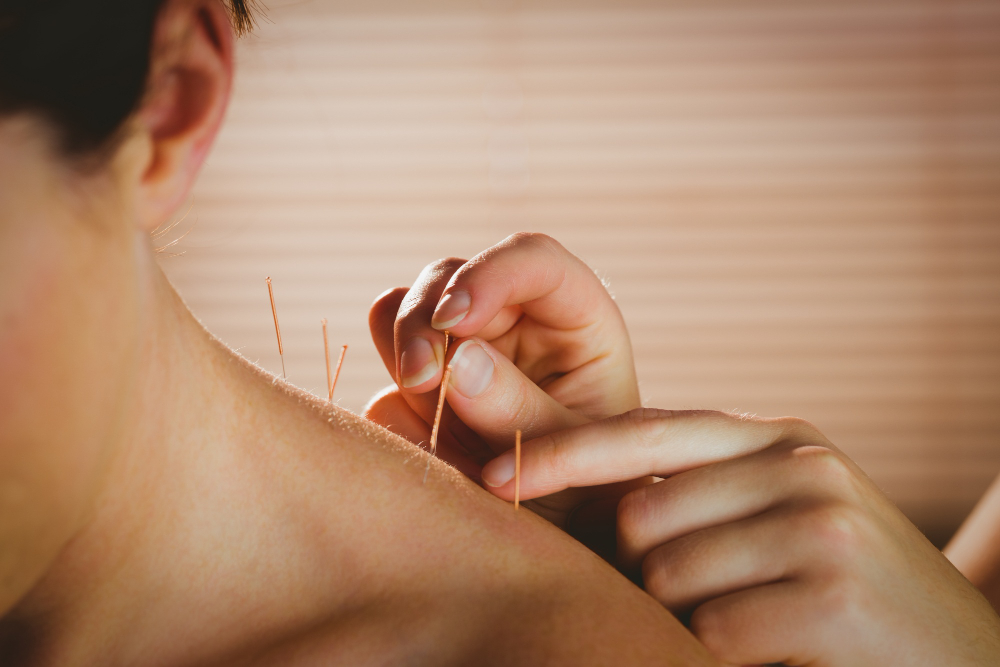
Acupuncture is a practice that uses very thin needles. Practitioners insert these needles into specific points on the body. These points are believed to connect with energy pathways, or meridians. By stimulating these points, acupuncture aims to restore balance and promote healing. For example, many people use acupuncture for pain relief, stress, and even digestive issues. According to the World Health Organization (WHO), acupuncture may help with headaches, back pain, and nausea. Sessions usually last 20 to 40 minutes. Most people feel only a slight pinch or tingling during treatment.
How Acupressure Works
Unlike acupuncture, acupressure does not use needles. Instead, practitioners use their fingers, palms, or special tools to apply gentle pressure to the same points used in acupuncture. This pressure helps release tension, improve blood flow, and support natural healing. Acupressure is often used for relaxation, stress relief, and mild pain. For instance, some people use acupressure for headaches or to help with sleep. Because it does not break the skin, acupressure is usually safe for most people. Sessions can be done by a trained therapist or even at home with proper guidance.
Key Differences Between Acupuncture and Acupressure
While both therapies focus on the same points, their approach and safety profiles differ. Therefore, your choice may depend on comfort and health needs.
Benefits and Risks
Benefits of Acupuncture
According to the NIH, acupuncture is generally safe when performed by trained professionals. However, there is a small risk of bruising, bleeding, or infection if needles are not sterile.
Benefits of Acupressure
Side effects are rare, but some people may feel soreness or light bruising after a session. Always use gentle pressure and avoid broken skin.
How to Choose the Right Therapy
Choosing between acupuncture and acupressure depends on your needs and comfort. If you are looking for a gentle, non-invasive method, acupressure may be best. For chronic pain or specific health issues, acupuncture might offer more relief. Always consider these tips:
In some cases, combining both therapies can offer extra benefits. However, always seek professional advice first.
Frequently Asked Questions
Is acupuncture painful?
Most people feel only a slight pinch or tingling. The needles are very thin, so pain is minimal.
Can I do acupressure at home?
Yes, you can learn simple acupressure techniques for wellness. However, it is best to get guidance from a trained practitioner first.
Which is safer: acupuncture or acupressure?
Both are safe when done correctly. Acupressure is non-invasive and carries less risk. Acupuncture should always be performed by a licensed professional.
How many sessions do I need?
The number of sessions depends on your health goals. Some people feel better after one session, while others need several visits.
Conclusion
In summary, both acupuncture and acupressure offer natural ways to support your health. While they share roots in ancient medicine, their methods and tools are different. Acupuncture uses needles and may help with deeper health issues. Acupressure uses gentle touch and is easy to try at home. Before starting any therapy, consult a qualified practitioner to determine the best approach for your wellness needs.