
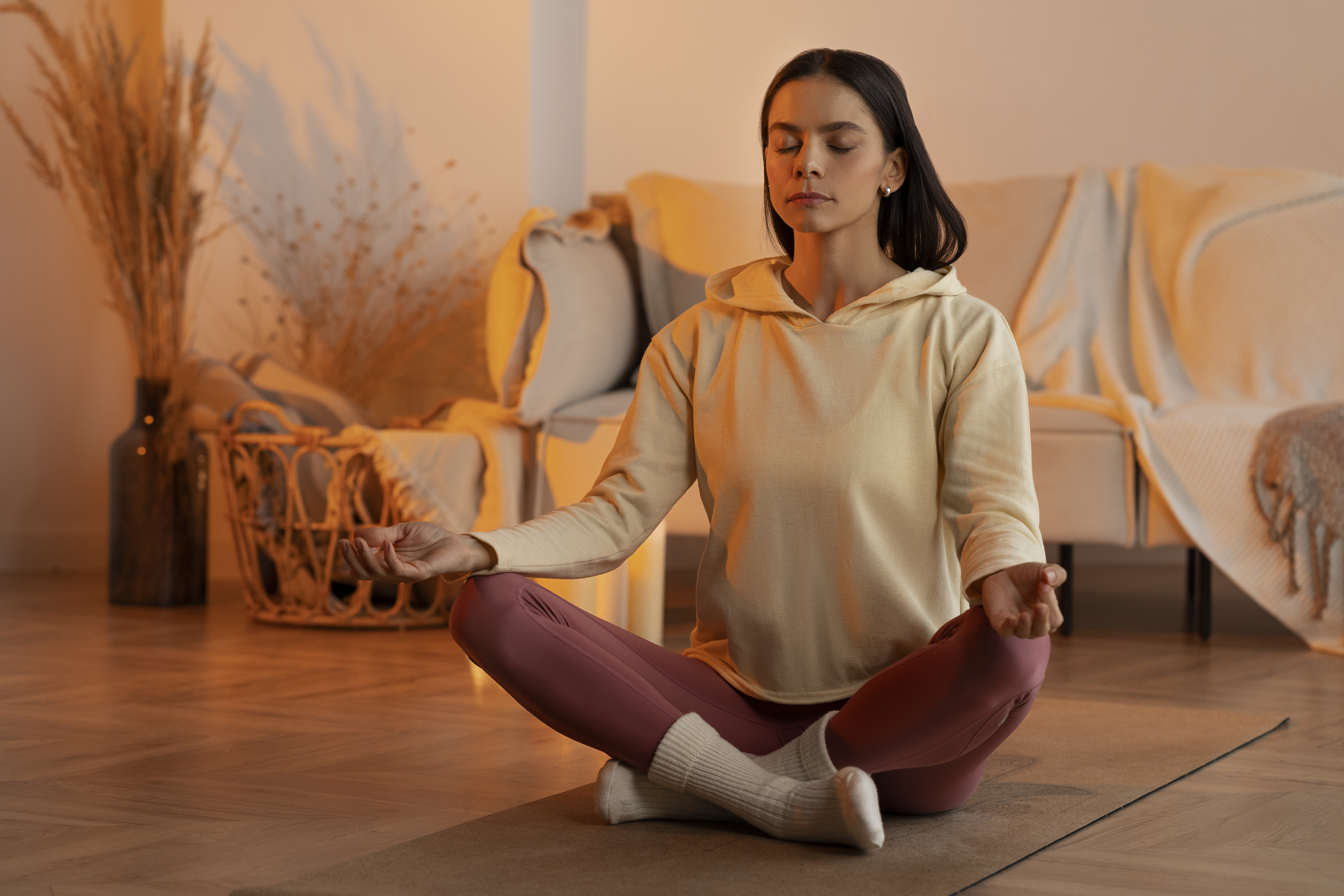
Panic attacks can feel overwhelming. They cause sudden fear, a racing heart, and trouble breathing. Many people look for natural anxiety relief. Yoga for panic attacks offers gentle ways to calm your mind and body. In fact, yoga poses for panic attacks and breathing exercises for panic attacks can help you feel better. This guide explains how yoga helps, which techniques work best, and how to practice at home.
What Are Panic Attacks?
Panic attacks are sudden episodes of intense fear or discomfort. They often happen without warning. During a panic attack, you may feel:
Usually, panic attacks last a few minutes. However, the feelings can be very strong. According to the CDC, panic attacks are common and can affect anyone. If you have them often, you may have panic disorder.
How Yoga Helps with Panic Attacks
Yoga uses gentle movements, breathing, and relaxation. Because of this, it can help calm your body and mind. Many people use yoga for panic attacks as a natural way to manage stress. For example, yoga helps by:
In addition, studies show that yoga can lower anxiety and stress levels. The World Health Organization (WHO) supports mind-body practices like yoga for mental health.
Best Yoga Techniques and Poses for Panic Attacks
Some yoga poses and breathing exercises are especially helpful for panic attacks. For instance, these techniques can help you feel grounded and calm:
Moreover, gentle yoga flows and guided relaxation can support natural anxiety relief.
Step-by-Step Guide: Practicing Yoga for Panic Attacks at Home
Practicing yoga at home is simple. Even if you are new, you can start with these steps:
Remember, you can use these yoga poses for panic attacks whenever you feel anxious. If you live in a busy city, like New York or Los Angeles, practicing yoga for panic attacks at home can be especially helpful.
Lifestyle Tips and Prevention
Besides yoga, healthy habits can help prevent panic attacks. For example, you can:
Additionally, keeping a journal of your feelings may help you spot triggers. Over time, these steps can support natural anxiety relief.
When to Seek Professional Help
Yoga for panic attacks can help many people. However, sometimes you need extra support. You should talk to a doctor or mental health professional if:
Professional help can include therapy, medication, or both. The CDC and WHO recommend seeking help if panic attacks affect your daily life.
In summary, yoga for panic attacks offers gentle, natural anxiety relief. It uses calming poses and breathing exercises to help you feel better. For best results, practice regularly and combine yoga with healthy habits. Consult a certified yoga instructor or healthcare provider for personalized advice on managing panic attacks.