
What Does “Feeling Low on Energy” Mean?
Many people feel tired or drained at times. However, when you are feeling low on energy often, it may signal a deeper issue. Sometimes, this tiredness is not just from a busy day. Instead, it can be a sign that your body is missing important nutrients. For example, vitamin deficiency and fatigue often go hand in hand. If you notice you are always tired, it is wise to look for other signs of low vitamin levels. Early action can help you feel better sooner.
How Vitamins Affect Your Energy Levels
Vitamins play a big role in how your body makes and uses energy. Without enough vitamins, your body cannot work at its best. For instance, vitamin B12 helps your body turn food into energy. Iron is also key, as it helps carry oxygen in your blood. In addition, vitamin D supports muscle and nerve function. When you lack these vitamins, you may feel weak or tired. Therefore, keeping your vitamin levels healthy is important for staying active and alert.
Common Vitamin Deficiencies Linked to Low Energy
Several vitamin and mineral shortages can cause tiredness. Here are some common ones:
Moreover, people who eat little meat, have certain health issues, or get little sunlight are at higher risk. In some regions, less sunlight in winter can lower vitamin D levels. So, your location may affect your risk.
Symptoms and Signs to Watch For
It is not always easy to spot a vitamin deficiency. Still, you can look for these signs:
For example, vitamin B12 deficiency can cause numbness or tingling in your hands and feet. If you notice these symptoms, it is wise to seek help.
How Pathology Tests Can Help Diagnose Vitamin Deficiencies
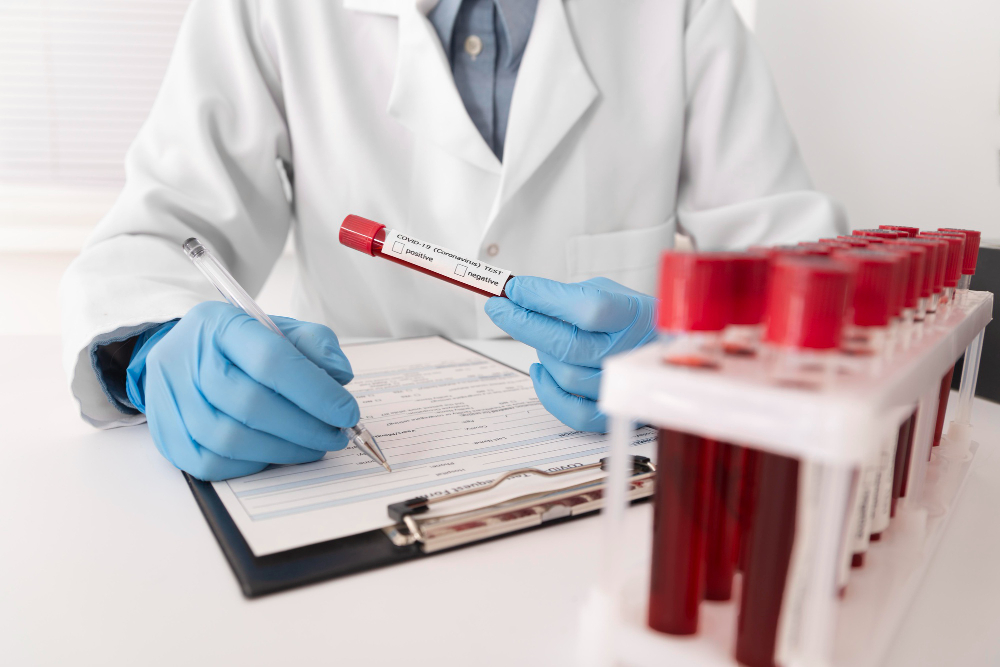
Sometimes, symptoms alone cannot tell you which vitamin you lack. That is where pathology tests come in. These are simple blood tests that check your vitamin and mineral levels. For example, a doctor may order tests for vitamin B12, iron, or vitamin D. With these results, your healthcare provider can find the exact cause of your tiredness. Early testing can help you get the right treatment and feel better faster. According to the CDC, regular testing is helpful for people at higher risk of deficiency.
Treatment and Lifestyle Tips to Boost Energy
Once a deficiency is found, treatment is often simple. Your doctor may suggest:
However, always follow your doctor’s advice before starting supplements. Too much of some vitamins can be harmful.
Prevention: Keeping Your Vitamin Levels in Check
Preventing vitamin deficiency is easier than treating it. Here are some tips:
In summary, small changes can help keep your energy up and your vitamin levels healthy.
If you’re feeling low on energy, consult a healthcare professional or pathologist for personalized advice and testing.