
What is Constipation?
Constipation means having fewer bowel movements than usual. Often, it also means stools are hard or difficult to pass. Many people feel bloated or uncomfortable when constipated. In most cases, constipation is not serious. However, it can cause pain and affect daily life. For some, it happens only once in a while. For others, it may be a regular problem. Because of this, many seek natural constipation relief methods.
Understanding Acupuncture: Basics and Principles
Acupuncture is an ancient Chinese therapy. It involves placing very thin needles into specific points on the body. These points are believed to help balance the body’s energy, called “Qi” (pronounced “chee”). According to traditional beliefs, when Qi flows smoothly, the body stays healthy. However, if Qi is blocked, problems like constipation may occur. Today, many people use acupuncture for digestive health and overall wellness.
How Acupuncture May Help with Constipation
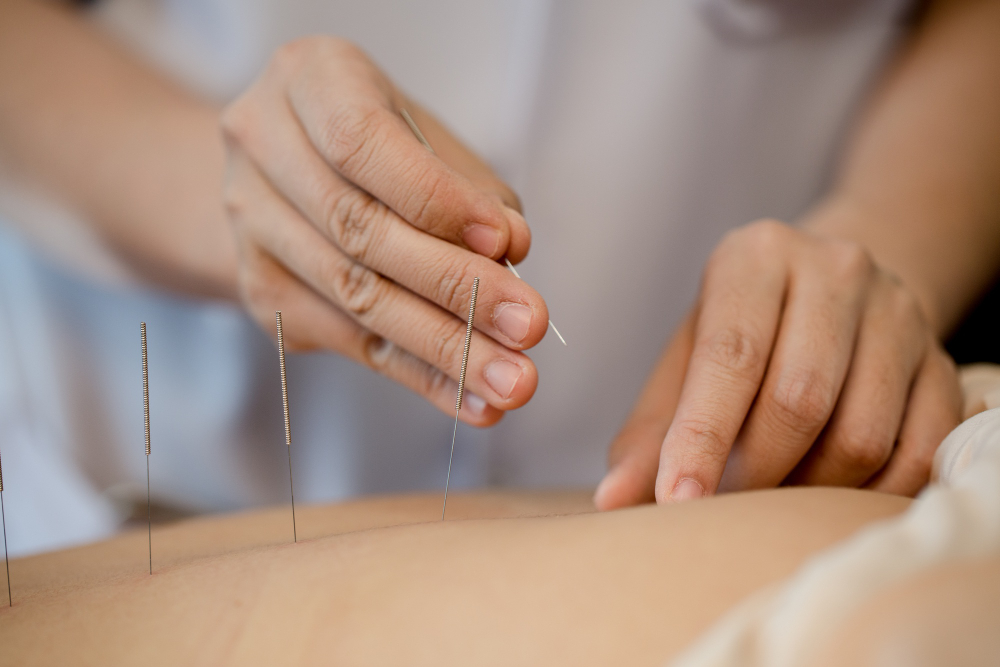
Acupuncture for constipation aims to restore balance in the body. First, the practitioner finds points linked to digestion. Then, they gently insert needles to help improve bowel movement. Some experts believe this process may:
Because acupuncture works with the body’s own systems, many people find it gentle and relaxing.
Scientific Evidence and Research Findings
Several studies have explored acupuncture for constipation. For example, research published in the Annals of Internal Medicine found that acupuncture helped some people with chronic constipation. In addition, the National Institutes of Health (NIH) notes that acupuncture may help with certain digestive issues. However, more large studies are needed to confirm these results. Even so, many people report feeling better after wellness acupuncture therapy. Always look for clinics that use trained and licensed practitioners.
What to Expect During an Acupuncture Session
Before your first session, the practitioner will ask about your health and symptoms. Next, you will lie down comfortably. Then, the practitioner will insert thin, sterile needles into specific points. You may feel a slight pinch, but most people say it does not hurt. The needles usually stay in place for 15 to 30 minutes. During this time, you may feel relaxed or even sleepy. After the session, you can return to normal activities. Some people notice changes after one visit, while others need several sessions.
Safety, Risks, and Who Should Avoid Acupuncture
Acupuncture is generally safe when performed by a trained professional. However, there are some risks to consider. For example, minor bruising or soreness can happen where needles are placed. Rarely, more serious problems like infection may occur if needles are not sterile. Because of this, always choose a licensed acupuncture clinic near you. Some people should avoid acupuncture, such as:
Before starting, talk to your healthcare provider about your health history.
Lifestyle Tips to Support Digestive Health
Along with acupuncture, healthy habits can help prevent constipation. For example, you can:
These steps, combined with wellness acupuncture therapy, may improve digestive comfort.
Prevention and When to Seek Medical Advice
Most cases of constipation can be managed at home. However, you should see a doctor if you:
Sometimes, constipation can be a sign of a more serious problem. Therefore, do not ignore these warning signs. Early care can help prevent complications.
In summary, acupuncture for constipation offers a natural way to support digestive health. However, it is important to seek guidance from trained professionals. Consult Dr. Nadipathy for personalized advice on managing constipation through safe and effective acupuncture-based care.