
Introduction
Many people struggle with seasonal allergies each year. These allergies cause sneezing, itchy eyes, and runny noses. For some, medicine does not bring enough relief. Because of this, many seek natural allergy relief. Acupuncture for seasonal allergies is becoming a popular choice. This ancient practice may help ease symptoms and improve well-being.
What Are Seasonal Allergies?
Seasonal allergies, also called hay fever, happen when your body reacts to things like pollen. These triggers are common in spring, summer, and fall. As a result, you may notice symptoms such as:
For many, these symptoms can make daily life hard. However, knowing your triggers can help you manage them better.
How Acupuncture Works for Seasonal Allergies
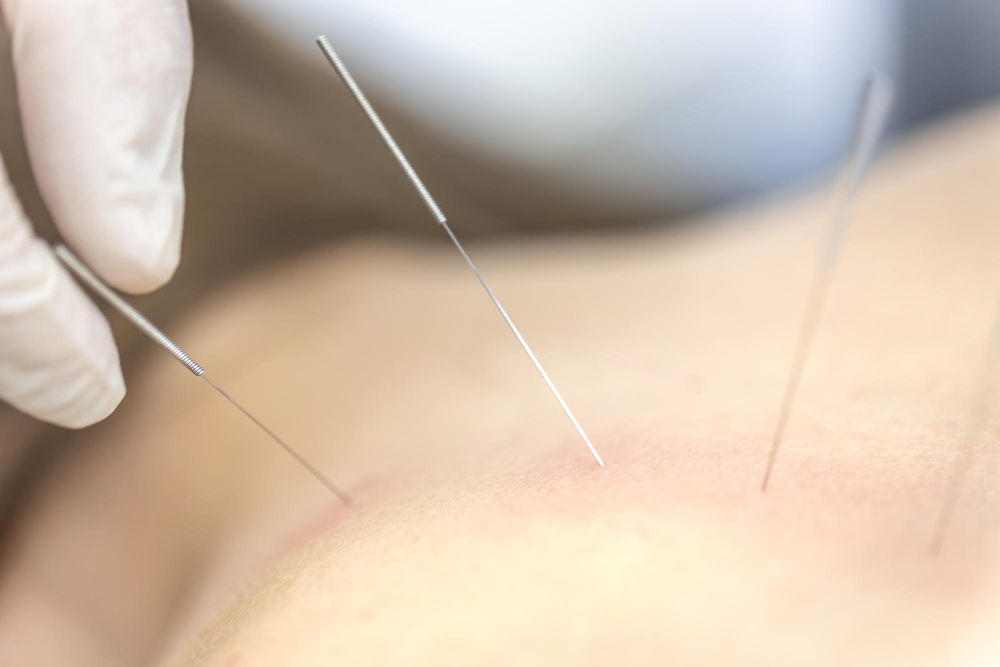
Acupuncture is a form of traditional Chinese medicine. It uses thin needles placed at specific points on the body. According to tradition, this helps balance the body’s energy, called “Qi.” When Qi flows well, the body feels healthy. Some believe that acupuncture can calm the immune system. This may reduce allergy symptoms.
From a scientific view, acupuncture may help by:
Because of these effects, many people try acupuncture for hay fever and other allergies.
Benefits of Acupuncture
Acupuncture for seasonal allergies offers several possible benefits. For example, it may:
In addition, some people find that acupuncture helps them relax. This can make allergy season feel less stressful.
What to Expect During an Acupuncture Session
If you are new to acupuncture, you may wonder what happens during a session. First, the practitioner will ask about your symptoms and health history. Next, you will lie down in a calm room. Then, the practitioner will gently place thin, sterile needles at certain points on your body. Most people feel little or no pain. Instead, you may feel a mild tingling or warmth.
Sessions usually last 20 to 40 minutes. Afterward, you may feel relaxed or even sleepy. Many people need several sessions for the best results. However, your practitioner will guide you on what is best for you.
Scientific Evidence and Safety
Several studies have looked at acupuncture for seasonal allergies. For example, a review in the journal Annals of Internal Medicine found that acupuncture may help reduce allergy symptoms. The World Health Organization (WHO) also lists allergies as a condition that may benefit from acupuncture.
Acupuncture is generally safe when done by a trained professional. Side effects are rare but may include mild bruising or soreness. However, always choose a licensed practitioner to lower any risks. The Centers for Disease Control and Prevention (CDC) also recommends using only sterile needles.
Lifestyle Tips for Managing Seasonal Allergies
Besides acupuncture, you can take other steps to manage allergies. For instance, you can:
These tips, along with alternative therapy for allergies like acupuncture, can help you feel better.
Prevention and When to Seek Help
While you can take steps to prevent allergy symptoms, sometimes you may need extra help. If your symptoms are severe or do not improve, talk to a healthcare provider. Also, seek help if you have trouble breathing or develop new symptoms. Early care can prevent problems and help you find the best treatment.
In summary, acupuncture for seasonal allergies offers a natural way to find relief. Many people benefit from this gentle therapy. However, always consult a qualified acupuncture specialist or healthcare provider for advice tailored to your needs.