
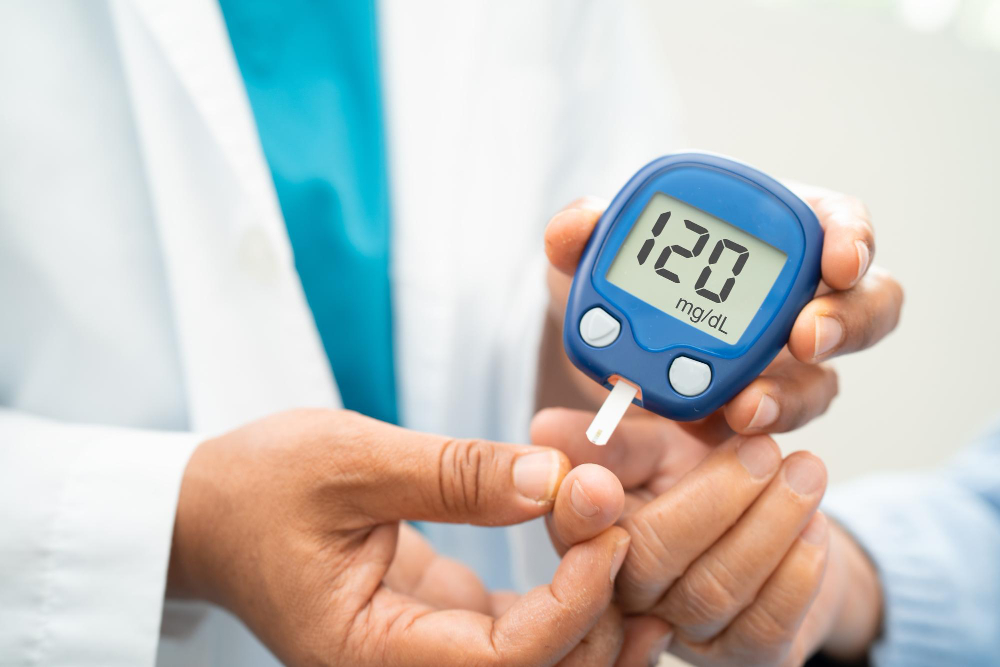
What Is Diabetes?
Diabetes is a long-term health condition. It affects how your body turns food into energy. Usually, your body breaks down food into sugar. Then, insulin helps move this sugar into your cells. However, with diabetes, your body either does not make enough insulin or cannot use it well. As a result, sugar builds up in your blood. According to the World Health Organization (WHO), millions of people worldwide live with diabetes. Yet, many do not know they have it.
Why Is Diabetes Called a Silent Disease?
Often, diabetes does not show clear signs at first. Because of this, it is called a “silent” disease. Many people feel fine for years. However, high blood sugar can still harm your body during this time. For example, it can damage your eyes, kidneys, and nerves. By the time symptoms appear, some damage may already be done. Therefore, early detection is very important.
The Importance of Numbers: Blood Sugar, HbA1c, and Other Key Lab Values
Numbers play a big role in diabetes care. In fact, “Diabetes: Silent but Revealed Through Numbers” means lab tests often show the first signs. Here are some important numbers to know:
Doctors use these numbers to spot diabetes early. They also help track your progress over time.
Common Symptoms and Warning Signs
Although diabetes is often silent, some warning signs may appear. For example, you might notice:
However, these symptoms can be mild or missed. That is why regular checks are so important.
How Diabetes Is Diagnosed Through Laboratory Tests
Doctors use lab tests to diagnose diabetes. Usually, they start with a fasting blood sugar test. If your level is high, they may repeat the test or use other checks. For example, an HbA1c test can confirm the diagnosis. Sometimes, an oral glucose tolerance test is used. This test checks how your body handles sugar over a few hours. According to the Centers for Disease Control and Prevention (CDC), these tests are reliable and safe.
The Role of Regular Screening and Monitoring
Regular screening helps catch diabetes early. Even if you feel fine, you should get tested if you have risk factors. For instance, being overweight, having a family history, or being over age 45 increases your risk. Once diagnosed, regular monitoring is key. Checking your blood sugar and HbA1c helps you and your doctor manage your health. In addition, regular checks can prevent serious problems later.
Prevention Tips and Healthy Lifestyle Guidance
While you cannot change some risk factors, you can lower your risk with healthy habits. Here are some tips:
Even small changes can make a big difference over time. Additionally, regular check-ups help you stay on track.
When to Consult a Healthcare Professional
If you notice any warning signs, talk to your doctor soon. Also, if you have risk factors, ask about screening. Early action can prevent serious health problems. Remember, “Diabetes: Silent but Revealed Through Numbers” means lab tests can uncover hidden risks. Therefore, do not wait for symptoms to appear. Instead, stay informed and proactive.
For personalized advice and care, consult your healthcare specialist. Early detection and healthy habits can help you live well with or without diabetes.