
Introduction
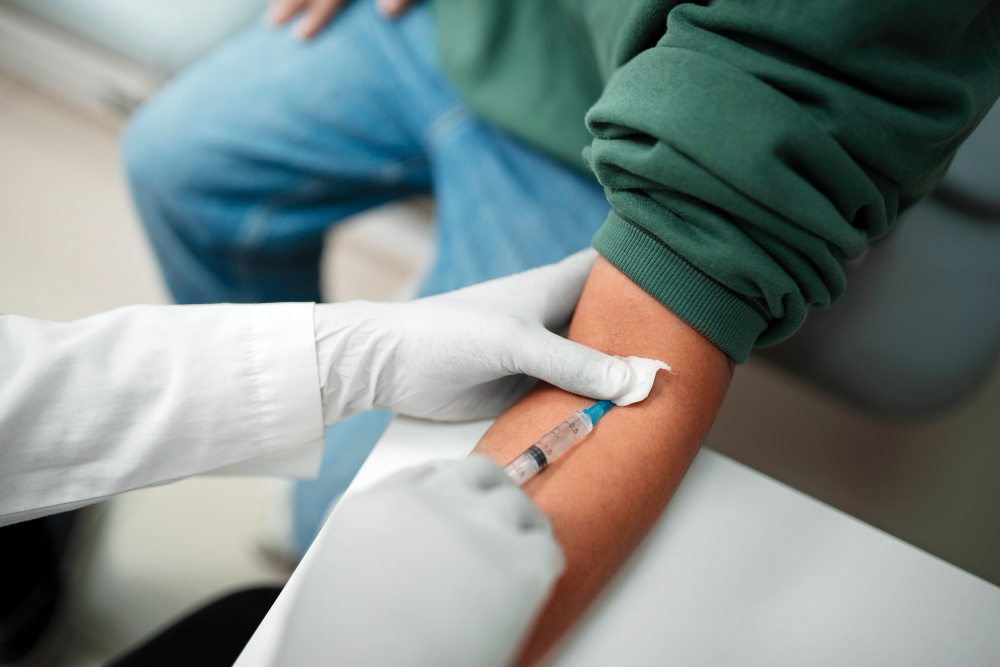
Home blood sample collection is now more common than ever. Many people want safe blood collection at home for comfort and convenience. But, knowing how to collect blood samples at home is important for accurate results. With the right home blood test tips, you can avoid mistakes and stay safe. In this guide, you will learn easy steps, safety advice, and answers to common questions about home blood sample collection.
Why Home Blood Sample Collection Matters
Home blood sample collection offers many benefits. First, it saves time because you do not need to visit a clinic. Also, it helps people who have trouble traveling. For some, collecting blood at home reduces stress and fear. In addition, it can help with regular health checks. According to the World Health Organization (WHO), early testing can lead to better health outcomes. However, you must follow safe steps to get correct results.
Preparation Before Collection
Proper preparation is key for safe blood collection at home. Before you start, make sure you have everything you need. Here are some important steps:
By preparing well, you can avoid many common problems. For example, having all supplies ready prevents delays and mistakes.
Step-by-Step Guide to Collecting a Blood Sample at Home
Collecting a blood sample at home can be simple if you follow these steps:
Always follow the kit instructions. If you feel unsure, ask your healthcare provider for help.
Common Mistakes to Avoid
Even though home blood collection is easy, mistakes can happen. Here are some errors to watch out for:
Because these mistakes can affect your results, always double-check each step. If you are unsure, review the instructions again.
Safety and Hygiene Tips
Staying safe is very important during home blood sample collection. Here are some key tips:
Following these tips helps prevent infections and keeps you and your family safe. The Centers for Disease Control and Prevention (CDC) also recommends safe disposal of sharps at home.
When to Seek Professional Help
Sometimes, you may need help from a healthcare professional. For example, seek help if:
If you have any concerns, contact your doctor or a local health clinic right away. It is always better to be safe.
Frequently Asked Questions
For more information, you can visit trusted sources like the CDC or WHO websites.
Consult a healthcare professional for personalized advice on home blood sample collection.