
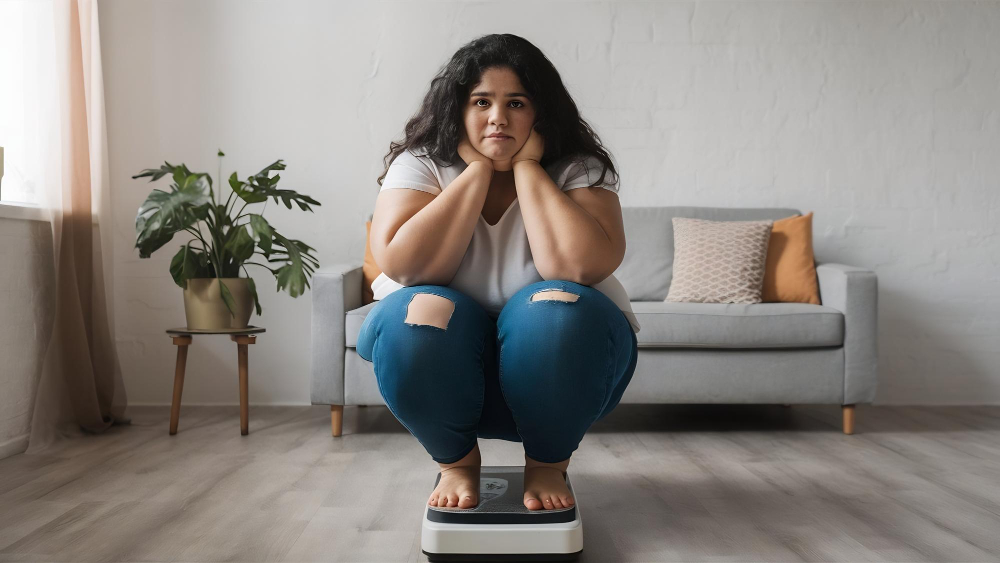
Polycystic Ovary Syndrome, or PCOS, is a common health condition. It affects women of childbearing age. PCOS can cause hormone changes, irregular periods, and small cysts on the ovaries. Many women with PCOS also struggle with weight gain. Because of this, PCOS and weight loss often go hand in hand when talking about managing symptoms.
How PCOS Affects Weight and Metabolism
PCOS can make it harder to lose weight. This is because it affects how your body uses insulin. Insulin is a hormone that helps control blood sugar. When your body does not use insulin well, it stores more fat. As a result, women with PCOS may gain weight more easily, especially around the belly. However, even a small amount of weight loss can help improve symptoms.
Common Symptoms Related to Weight Gain in PCOS
Many women with PCOS notice changes in their bodies. For example, weight gain is a common problem. But there are other symptoms too. These may include:
Because these symptoms can affect self-esteem, managing weight is important for many women with PCOS.
Evidence-Based Weight Loss Strategies for PCOS
Although losing weight with PCOS can be tough, it is possible. In fact, research shows that even a 5% weight loss can improve symptoms. Here are some proven strategies:
Healthy Eating Tips
For many women, a “PCOS diet” means focusing on foods that keep blood sugar steady. Because of this, low-glycemic foods are often helpful.
Exercise and Physical Activity
Even small changes, like taking the stairs, can make a difference over time.
Lifestyle Changes
Because stress can make symptoms worse, finding ways to relax is important.
Medical Treatments and When to Seek Help
Sometimes, lifestyle changes are not enough. In these cases, doctors may suggest medicine. For example, some women take birth control pills to help with periods. Others may use medicines like metformin to help control blood sugar. If you are having trouble losing weight, talk to your doctor. They can help find the right plan for you.
Prevention Tips and Lifestyle Guidance
While PCOS cannot always be prevented, healthy habits can lower your risk of problems. For instance, eating well and staying active can help manage your weight. Here are some tips:
Because small steps add up, start with one change at a time.
Frequently Asked Questions About PCOS and Weight Loss
Conclusion
Managing PCOS and weight loss can feel challenging. However, with the right strategies, you can improve your health and well-being. Remember, every small step counts. Consult a healthcare specialist for personalized advice on PCOS and weight loss.