
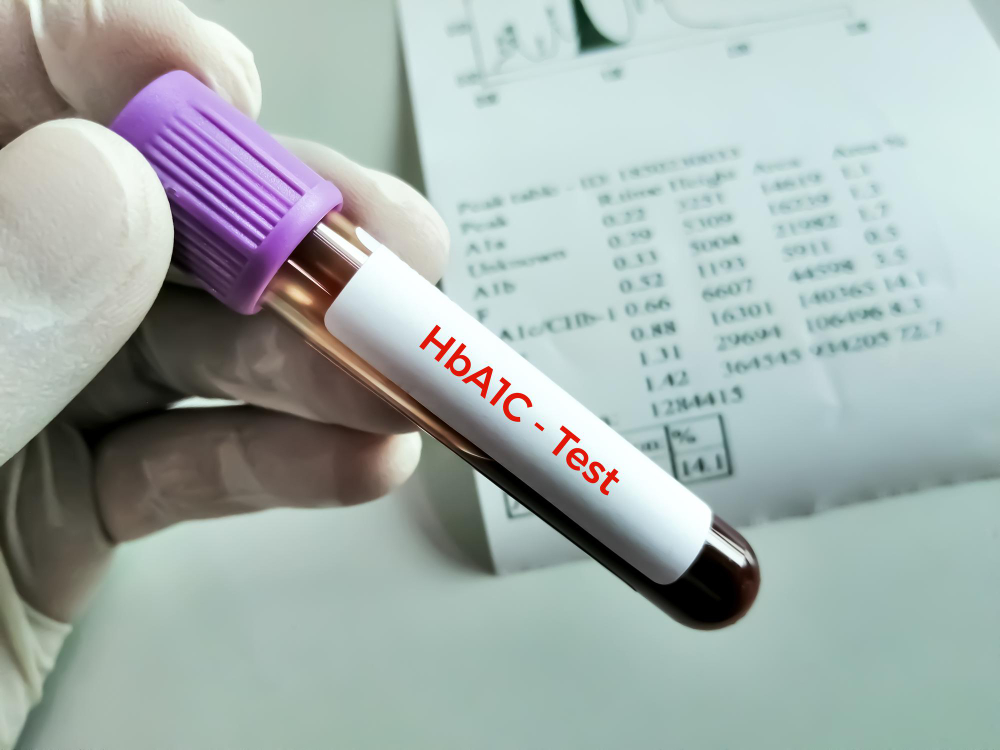
What is the HbA1C Test?
The HbA1C test is a simple blood test. It shows your average blood sugar levels over the past three months. Doctors often use the HbA1C blood test to help diagnose and manage diabetes. Because it gives a long-term view, it is different from daily blood sugar checks. The test is also called the A1C test for diabetes.
Why is the HbA1C Test Important?
First, the HbA1C test helps doctors see how well your blood sugar is controlled. High levels can mean a higher risk of health problems. For example, high blood sugar can harm your heart, kidneys, eyes, and nerves. Regular testing can help you and your doctor make better choices about your care. In addition, the test can show if your treatment plan is working.
Who Should Get the HbA1C Test?
Doctors recommend the HbA1C test for several groups:
However, your doctor may suggest the test more often if you have other health issues.
How is the HbA1C Test Performed?
The HbA1C blood test is quick and easy. A nurse or technician will take a small blood sample from your arm or finger. After that, the sample goes to a lab for testing. You can usually return to your normal activities right away. Unlike some tests, you do not need to fast before the HbA1C test.
How to Prepare for the HbA1C Test
Preparing for the HbA1C test is simple. Most people do not need to do anything special. Still, here are a few tips:
Because the test does not require fasting, you can schedule it at any time of day.
Understanding Your HbA1C Results
After the test, your doctor will explain your results. Here is what the numbers usually mean:
However, your target HbA1C level may be different based on your age and health. For example, some people with health problems may have a higher target. Always talk to your doctor about what is right for you. Understanding HbA1C results helps you take control of your health.
Tips for Managing Blood Sugar Levels
Managing your blood sugar can help keep your HbA1C in a healthy range. Here are some helpful tips:
Because small changes can make a big difference, try to build healthy habits over time.
Frequently Asked Questions About the HbA1C Test
Conclusion
The HbA1C test is a key tool for understanding and managing blood sugar. Because it shows your average levels over time, it helps guide your care. If you have questions or concerns, consult for personalized advice about the HbA1C test.